How to get your business recommended by ChatGPT: A practical guide to GEO
· AI visibility · 6 min
More people ask ChatGPT and Perplexity for advice before choosing a supplier. Here is what actually affects whether your business gets mentioned, and what you can do today.
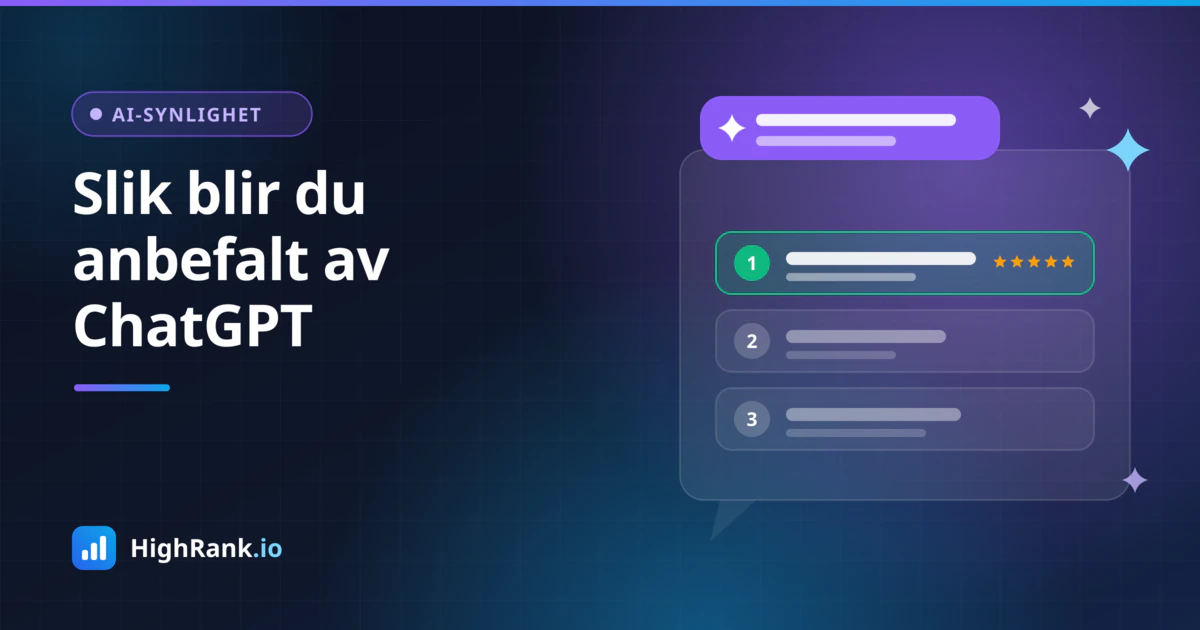
When a potential customer asks ChatGPT which plumber in their city is best, or which accounting firm suits a small limited company, they do not get a list of ten links. They get an answer, often with two or three specific names. The question for you as a business owner is simple: what does it take for your business to be one of them?
The work of becoming visible in these answers is often called GEO, short for generative engine optimization. The term is new, but much of the groundwork will be familiar from classic search engine optimization. The difference lies in how AI assistants retrieve and weigh information, and what they need before they can recommend you with confidence. This article explains how it works and what you can do about it.
How ChatGPT and other AI assistants find answers
It helps to separate two ways an AI assistant can know about your business. The first is training data. Language models are trained on large amounts of text from the web, and what the model has read about your industry and your company shapes what it says without searching. This knowledge has a cutoff date and only changes when the model is retrained.
The second is live search. ChatGPT with search, Perplexity, Microsoft Copilot and Google's AI Overviews fetch fresh web pages when a question calls for it, read them and compose an answer with source links. This is where you compete most directly, and where changes to your website can have an effect much sooner.
For a local business, live search matters most. Questions that include a location, a price or anything that changes over time usually trigger a web search. At that point your site needs to be accessible to crawlers, easy to interpret and contain answers to what people actually ask.
Make it obvious who you are and what you offer
AI models are good with language, but they are poor at guessing when information is vague. A homepage that says you "create value for customers through holistic solutions" gives a machine nothing to work with. Say plainly what you do, for whom and where.
A good starting point is to check that your site clearly answers these questions:
- What is the business called, and what kind of business is it?
- Which services or products do you offer, described in the words customers use?
- Which geographic area do you serve?
- Who is the offer for, and who is it not for?
- What does it cost, or what affects the price?
- How do people get in touch, and what happens next?
Create a dedicated page for each core service rather than one catch-all page. A page about bathroom renovation that describes the work, answers typical questions and states the area you cover is far easier to cite than a generic list of services.
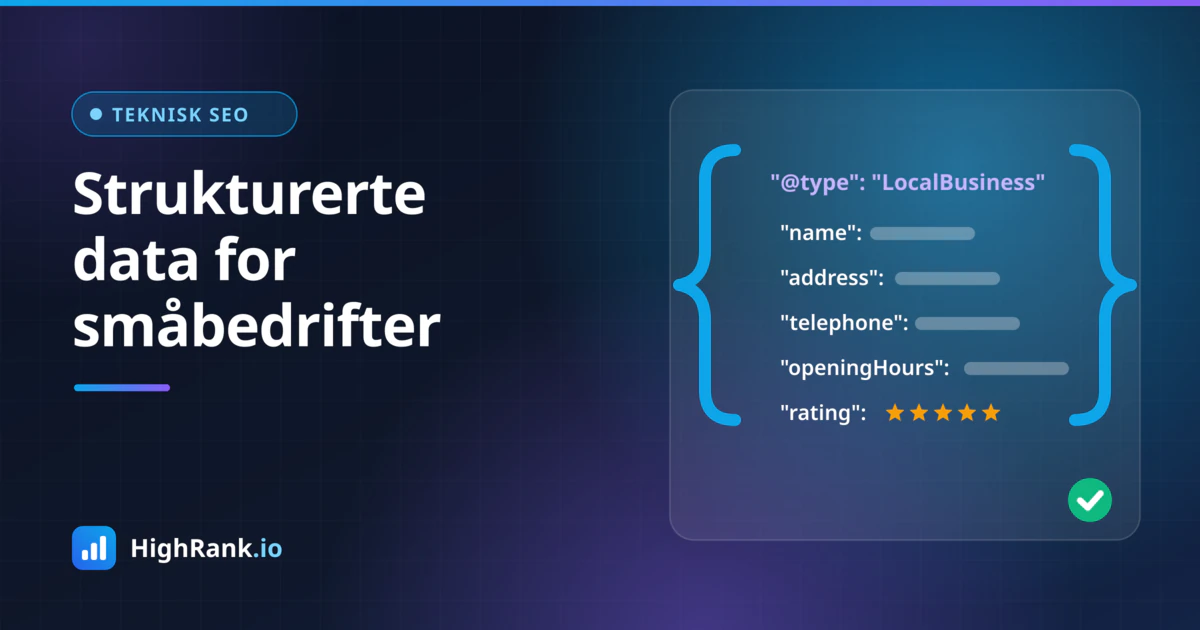
Structured data using schema.org types such as LocalBusiness or Organization makes it easier for machines to connect your name, address, phone number and services. It is not a shortcut to recommendations, but it removes doubt about the basic facts.
Write content that can be cited
When an AI assistant composes an answer, it looks for text that addresses the question precisely. Content written to fill space is rarely used. Content that gives a clear, expert answer stands a much better chance.
A few habits that make content easier to use as a source:
- Lead each section with the answer, then elaborate.
- Use descriptive subheadings that mirror the questions customers ask.
- Be specific: mention methods, materials, deadlines, regulations and processes where relevant.
- Write comparisons and explanations that help customers choose, even when the honest answer is that something other than your service fits better.
- Keep prices, opening hours and offers up to date, and show when a page was last updated.
Think about the questions people ask before they buy. "How much does it cost to replace the windows in a house?", "Do I need a permit to build a deck?" and "What is the difference between a sole trader and a limited company?" are the kind of questions people now put to AI assistants. If you have a good, honest page about exactly that, you increase the chance of being used as a source and of your business being mentioned in the same breath.
Build mentions and trust beyond your own website
An AI assistant that is about to recommend a business prefers confirmation from several sources. What you write about yourself is one source. What others write about you often counts for more. This resembles how links and reviews have worked in traditional SEO, but it is more about mentions and context than about the link itself.
Places where it pays to be visible and consistent:
- Your Google Business Profile, with the right category, description, photos and a steady flow of reviews
- Business directories and registers relevant to your country and industry, plus trade associations
- Local news coverage, partners, suppliers and sponsorships
- Comparison sites and marketplaces that matter in your sector
- Expert articles, podcasts or talks where you share your knowledge
Make sure your name, address and phone number are written the same way everywhere. Conflicting details make it harder for search engines and language models to be sure they are dealing with the same business.
Reviews deserve special attention. AI assistants often summarize what customers say about a company. Ask satisfied customers to leave an honest review, and reply politely and specifically to all of them, including the negative ones. Never buy or fake reviews; it breaks platform rules and can seriously hurt you.
Make sure AI crawlers can get in
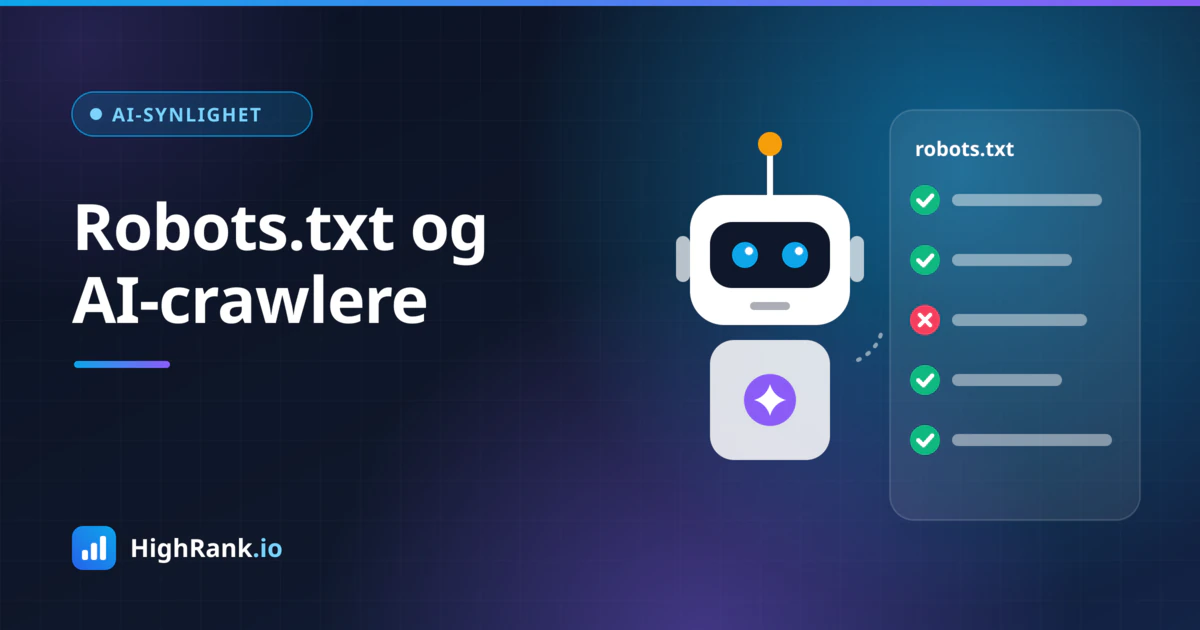
Great content does little good if machines cannot read it. Many websites block AI crawlers without realizing it, either through a rule in robots.txt, a security service that stops unknown bots, or because content only loads through JavaScript.
Check these points in particular:
- robots.txt: OpenAI uses OAI-SearchBot for search and GPTBot for training, among others, while Perplexity uses PerplexityBot. Decide deliberately what to allow rather than blocking everything.
- Firewall and CDN: services such as Cloudflare have their own settings for AI bots. Make sure they match what you actually want.
- Rendering: important text should be present in the HTML the server sends, not only appear after JavaScript runs.
- Speed and stability: slow pages and error codes are harder to fetch.
A practical line many businesses draw is to allow search bots that provide visibility and source links, and to make a more deliberate choice about bots that collect training data.
Test, measure and adjust
There is no ranking list for ChatGPT the way there is for Google, and answers vary between users and from one session to the next. That is why you need to test systematically rather than rely on a single attempt.
Write down 10 to 20 questions real customers might ask, such as "Which electricians in my city would you recommend for a new kitchen?". Ask them in several AI tools at regular intervals and note whether you are mentioned, how you are described and which sources are cited. Pay particular attention to which competitors appear and which sources the answers rely on. That often tells you where you need to become visible.
Be patient. Changes to your own site can be picked up quickly by tools that search in real time, while what is baked into the models themselves changes more slowly.
Summary
Getting recommended by ChatGPT is not about tricks. It is about making it easy for machines to understand, trust and cite your business. Be clear about what you offer and where, write content that genuinely answers customer questions, earn mentions beyond your own site and make sure AI crawlers can get in. If you want to know where you stand today, you can check both your Google visibility and your AI visibility with HighRank.io and use the result as the starting point for your next steps.